
Sitemize üye olarak beğendiğiniz içerikleri favorilerinize ekleyebilir, kendi ürettiğiniz ya da internet üzerinde beğendiğiniz içerikleri sitemizin ziyaretçilerine içerik gönder seçeneği ile sunabilirsiniz.
Sitemize üye olarak beğendiğiniz içerikleri favorilerinize ekleyebilir, kendi ürettiğiniz ya da internet üzerinde beğendiğiniz içerikleri sitemizin ziyaretçilerine içerik gönder seçeneği ile sunabilirsiniz.
Üyelerimize Özel Tüm Opsiyonlardan Kayıt Olarak Faydalanabilirsiniz
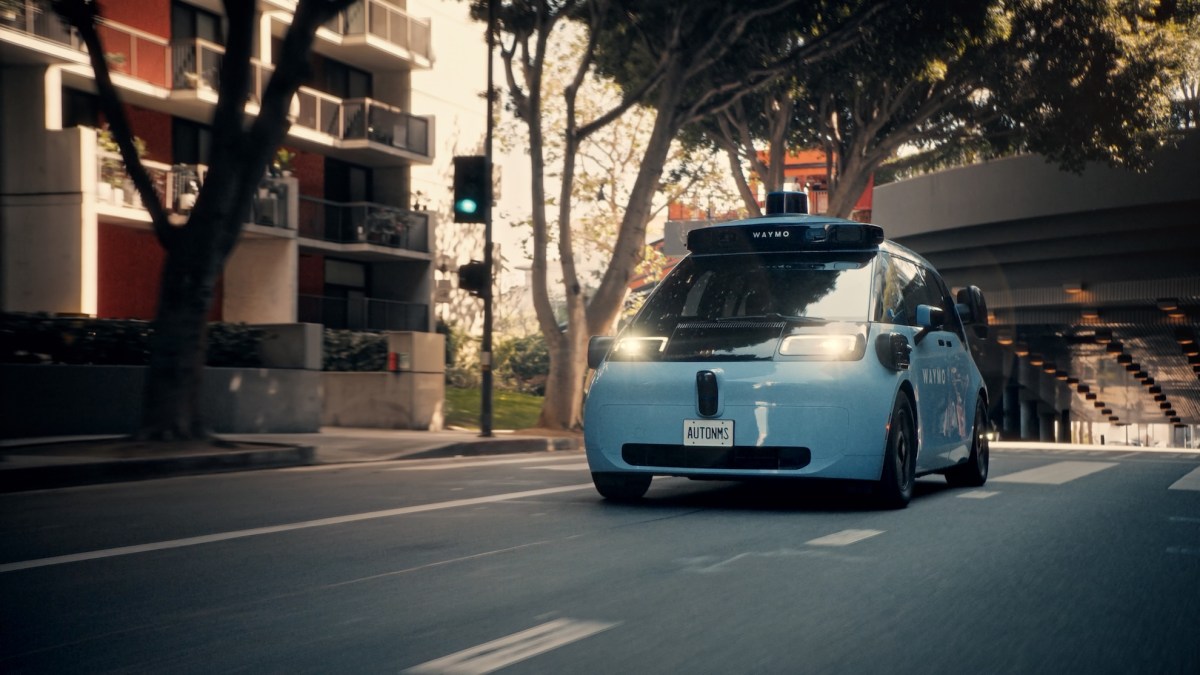
Welcome back to TechCrunch Mobility, the go‑to source for news and analysis on the future of transportation. This edition focuses on how Waymo’s in‑house designed chip is turbocharging its robotaxi ambitions.
Waymo has spent years perfecting autonomous‑driving software and expanding its fleet, but off‑the‑shelf GPUs were becoming a bottleneck. Their power draw and processing latency limited the ability to run complex perception models across thousands of vehicles. To solve this, Waymo engineered a purpose‑built system‑on‑chip (SoC) that matches its exact AI workloads.
Built on a 7‑nanometer process, the chip packs eight AI cores, a high‑bandwidth memory fabric, and a low‑power graphics engine. By consolidating image‑processing, sensor‑fusion and decision‑making pipelines onto a single die, Waymo cut data‑path latency by roughly 40 % and improved energy efficiency by about 30 % compared with comparable commercial solutions.
The first field trials took place in Phoenix and Dallas, where the new silicon demonstrated smoother navigation through dense urban traffic and more reliable response to edge‑case scenarios. Its modular architecture also means new sensors or algorithm updates can be rolled out via software without hardware redesign—a crucial factor as Waymo targets a fleet of 10,000 robotaxis by 2027.
Industry rivals are not standing still. Tesla’s Dojo processor and Aurora’s custom hardware are also vying for dominance in autonomous‑vehicle compute. Waymo’s advantage lies in the chip’s tight integration with its safety‑critical stack and the projected cost savings over the vehicle’s lifetime.
In short, the custom AI chip gives Waymo a decisive edge in scaling its driverless‑taxi service, delivering both higher reliability and lower operational expenses. Expect to see the technology powering more city‑wide robotaxi deployments as early as next year.
Source: TechCrunch
 ETİKETLER
 BENZER İÇERİKLER
 OKUYUCU YORUMLARI
Waymo’s Custom AI Chip Powers Its Robotaxi Vision








Yorum Yaz