
Sitemize üye olarak beğendiğiniz içerikleri favorilerinize ekleyebilir, kendi ürettiğiniz ya da internet üzerinde beğendiğiniz içerikleri sitemizin ziyaretçilerine içerik gönder seçeneği ile sunabilirsiniz.
Sitemize üye olarak beğendiğiniz içerikleri favorilerinize ekleyebilir, kendi ürettiğiniz ya da internet üzerinde beğendiğiniz içerikleri sitemizin ziyaretçilerine içerik gönder seçeneği ile sunabilirsiniz.
Üyelerimize Özel Tüm Opsiyonlardan Kayıt Olarak Faydalanabilirsiniz
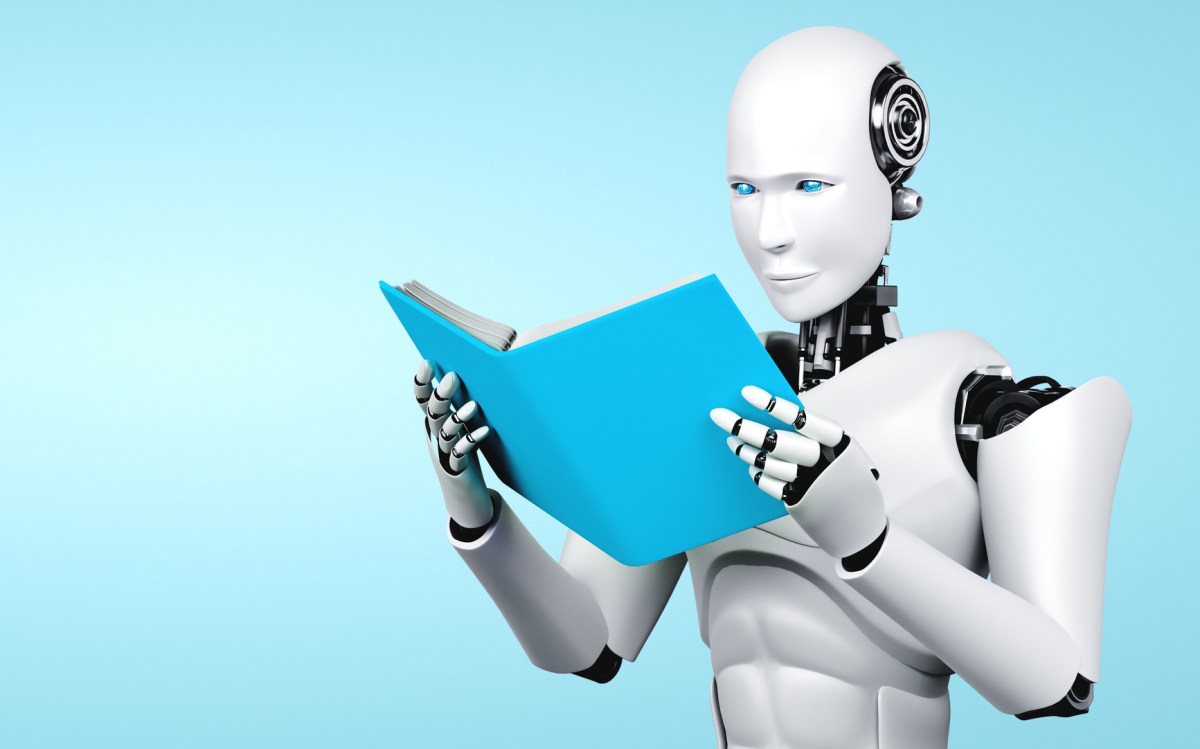
Modern AI systems learn from massive text corpora that often include books still protected by copyright. Most authors discover, if at all, that their writings have been fed into algorithms that could eventually replace the very markets they depend on. This raises a fundamental question: does using copyrighted material to train an AI model violate the law?
In the United States, the doctrine of “fair use” provides a limited shield for using copyrighted works without permission. Courts weigh four factors – the purpose of use, the nature of the work, the amount used, and the effect on the market – to decide whether an AI training dataset falls under fair use. Recent cases (2023‑2024) have generally leaned toward rejecting broad, indiscriminate data scraping as fair use, especially when the resulting model is commercialized. Judges have emphasized that reproducing large portions of a book for a language model can diminish the author’s potential sales and licensing revenue.
Across the Atlantic, the European Union is crafting a more prescriptive framework. The EU’s Digital Single Market strategy and the upcoming AI‑specific regulations require that data used for machine‑learning be either licensed or fall under a narrow research exemption. While the EU acknowledges the value of data‑driven innovation, it also insists on respecting authors’ moral and economic rights, pushing companies toward explicit licensing agreements.
The lack of a clear, uniform rule forces both tech firms and creators into a gray zone. Companies are increasingly opting for “data‑licensing‑as‑a‑service” models, negotiating contracts with publishers and author collectives to mitigate litigation risk. Meanwhile, writers and rights‑holder coalitions are lobbying for stronger statutory protections and clearer guidelines on what constitutes permissible AI training data.
In short, training AI on copyrighted books remains a legally tangled issue. Ongoing lawsuits, emerging legislation, and evolving industry standards will shape the balance between innovation and intellectual‑property rights. Until a definitive legal consensus emerges, authors are likely to demand greater transparency and compensation for the use of their works in AI development.
Source: TechCrunch
 ETİKETLER
 BENZER İÇERİKLER
 OKUYUCU YORUMLARI
Can AI Models Be Trained on Copyrighted Books? The Legal Maze Explained








Yorum Yaz