
Sitemize üye olarak beğendiğiniz içerikleri favorilerinize ekleyebilir, kendi ürettiğiniz ya da internet üzerinde beğendiğiniz içerikleri sitemizin ziyaretçilerine içerik gönder seçeneği ile sunabilirsiniz.
Sitemize üye olarak beğendiğiniz içerikleri favorilerinize ekleyebilir, kendi ürettiğiniz ya da internet üzerinde beğendiğiniz içerikleri sitemizin ziyaretçilerine içerik gönder seçeneği ile sunabilirsiniz.
Üyelerimize Özel Tüm Opsiyonlardan Kayıt Olarak Faydalanabilirsiniz
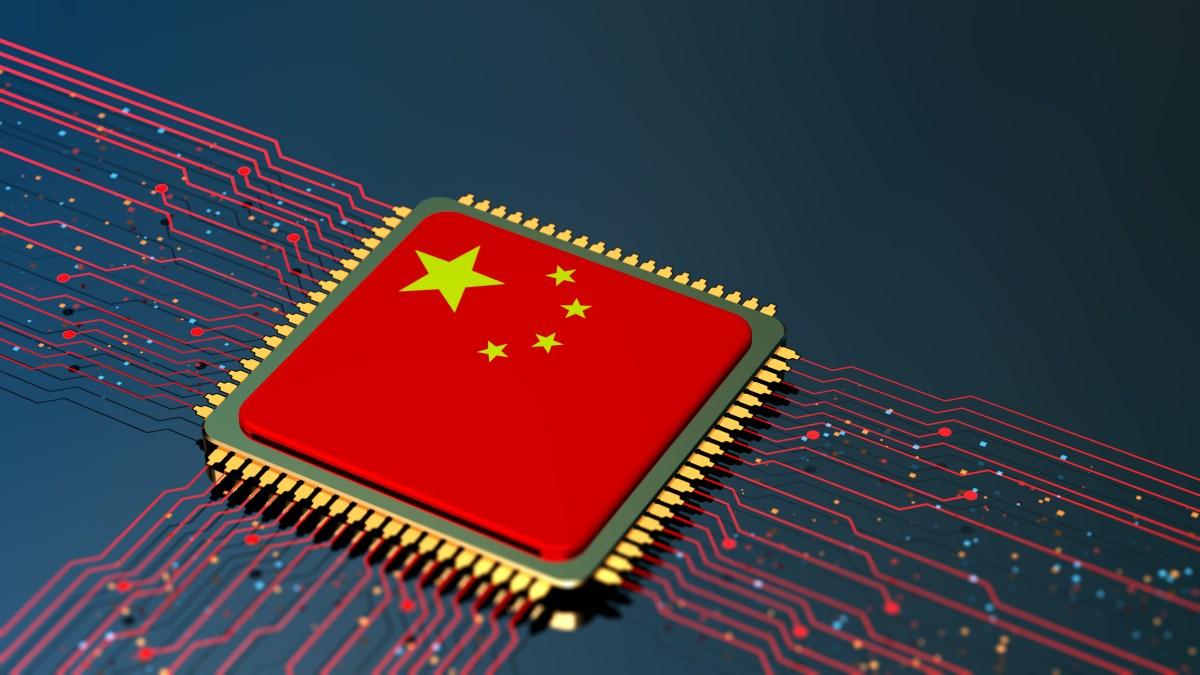
U.S. Treasury Secretary Scott Bessent announced on Thursday that Washington could impose sanctions on certain Chinese open‑source artificial‑intelligence systems that are alleged to contain stolen American intellectual property. The statement marks a fresh escalation of the Trump administration’s broader strategy to curb China’s rapid progress in AI.
Bessent claimed that several large‑language and computer‑vision models developed by Chinese firms have incorporated patented algorithms and proprietary data sets from U.S. companies without permission. He warned that such violations pose both economic and national‑security risks, and that if the accusations are substantiated, the United States may restrict Chinese firms’ access to American financial services, block technology exports, and tighten licensing rules for AI components.
The warning adds uncertainty for multinational tech giants that rely on cross‑border collaboration and cloud infrastructure. Industry analysts note that any new curbs could ripple through the global AI supply chain, affecting chip makers, cloud providers, and research institutions that have been courting Chinese partners.
Beijing dismissed the allegations as a “political stunt” aimed at stifling competition, insisting that Chinese developers are building models independently. Nevertheless, experts argue that intellectual‑property disputes are becoming a primary weapon in the escalating tech rivalry between the two superpowers.
As the United States moves to potentially sanction Chinese open AI models, the decision could reshape international technology policy, prompting companies and governments alike to reevaluate risk‑management strategies and supply‑chain dependencies. The coming weeks will reveal whether the threat translates into concrete measures, and how the broader AI community will adapt to a more fragmented regulatory environment.
Source: TechCrunch
 ETİKETLER
 BENZER İÇERİKLER
 OKUYUCU YORUMLARI
US Warns of Sanctions on Chinese Open AI Models Over Alleged IP Theft





Yorum Yaz