
Sitemize üye olarak beğendiğiniz içerikleri favorilerinize ekleyebilir, kendi ürettiğiniz ya da internet üzerinde beğendiğiniz içerikleri sitemizin ziyaretçilerine içerik gönder seçeneği ile sunabilirsiniz.
Sitemize üye olarak beğendiğiniz içerikleri favorilerinize ekleyebilir, kendi ürettiğiniz ya da internet üzerinde beğendiğiniz içerikleri sitemizin ziyaretçilerine içerik gönder seçeneği ile sunabilirsiniz.
Üyelerimize Özel Tüm Opsiyonlardan Kayıt Olarak Faydalanabilirsiniz
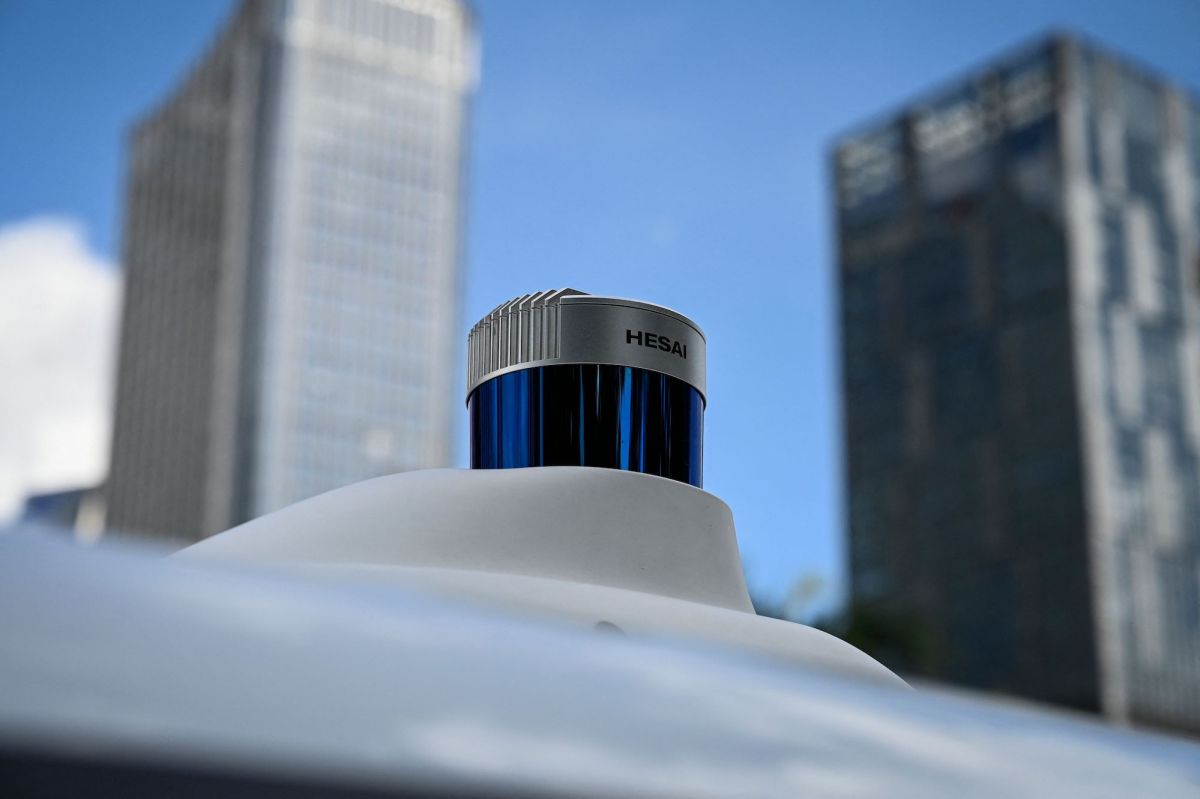
The Idaho National Laboratory (INL), a research arm of the U.S. Department of Energy, has launched a comprehensive security assessment of lidar sensors manufactured in China. The effort is being funded by a coalition of companies operating in the electric‑vehicle (EV) and autonomous‑driving sectors, underscoring how critical lidar technology has become for next‑generation transportation.
Lidar—short for Light Detection and Ranging—provides high‑resolution, three‑dimensional mapping of a vehicle’s surroundings. Because autonomous systems rely on this data to make real‑time driving decisions, any weakness in the sensor’s firmware, communication protocols, or hardware design could be exploited to inject false data, execute remote code, or even disable the device entirely. Such attacks would not only compromise vehicle performance but could also endanger passenger safety.
According to INL officials, the lab’s engineers are conducting a deep dive into the firmware integrity, cryptographic safeguards, and supply‑chain provenance of several popular Chinese lidar models. The focus is on identifying attack vectors such as spoofed point clouds, malicious firmware updates, and side‑channel leakage. Preliminary findings indicate that while some vulnerabilities have already been patched by the manufacturers, a handful of critical issues remain unresolved.
The sponsoring firms—ranging from battery‑management specialists to full‑stack autonomous‑driving platform providers—stress that reliable lidar performance is essential for both regulatory compliance and consumer trust. They argue that any security breach could trigger costly recalls, damage brand reputation, and invite tighter government oversight.
This investigation reflects a broader U.S. strategy to harden the supply chain for high‑tech components, especially those sourced from geopolitical rivals. Chinese lidar makers have responded by pledging to adopt international security standards and increase transparency with their global partners. As the autonomous vehicle market accelerates, ensuring the robustness of lidar systems will be a pivotal factor in achieving safe, widespread deployment.
Source: TechCrunch
 ETİKETLER
 BENZER İÇERİKLER
 OKUYUCU YORUMLARI
US Lab Scrutinizes Chinese Lidar for Potential Security Flaws









Yorum Yaz