
Sitemize üye olarak beğendiğiniz içerikleri favorilerinize ekleyebilir, kendi ürettiğiniz ya da internet üzerinde beğendiğiniz içerikleri sitemizin ziyaretçilerine içerik gönder seçeneği ile sunabilirsiniz.
Sitemize üye olarak beğendiğiniz içerikleri favorilerinize ekleyebilir, kendi ürettiğiniz ya da internet üzerinde beğendiğiniz içerikleri sitemizin ziyaretçilerine içerik gönder seçeneği ile sunabilirsiniz.
Üyelerimize Özel Tüm Opsiyonlardan Kayıt Olarak Faydalanabilirsiniz
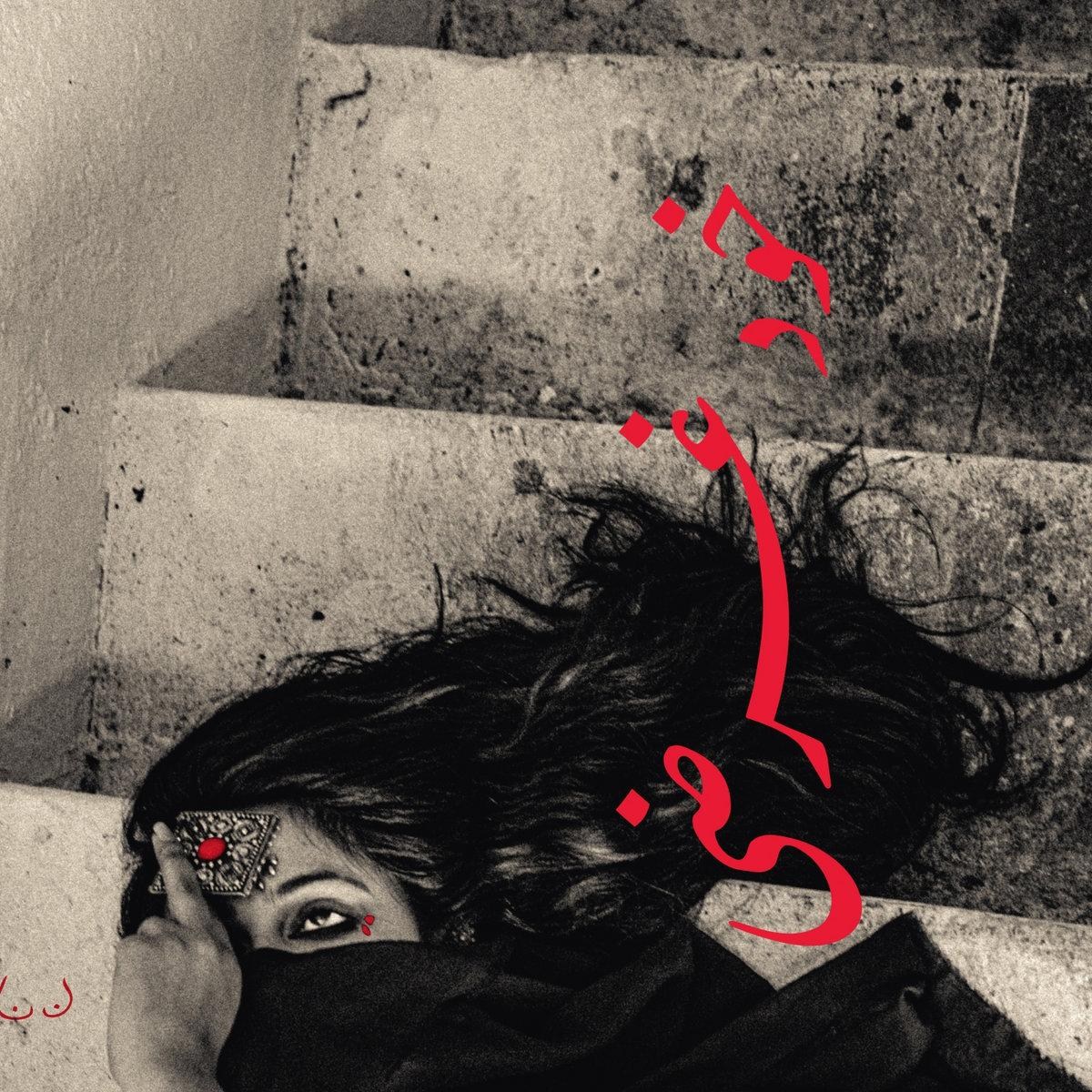
Sheherazaad first made waves with the EP ‘Qasr,’ produced by Grammy‑winner Arooj Aftab, and now she returns with her debut full‑length album, “Khudgarzi.” The record is drenched in reverb, wrapped in a folk‑noir aesthetic, and sung primarily in Urdu, giving it an intimate, almost cinematic quality.
“Khudgarzi” pulls from the two major streams of South Asian classical music—Hindustani and Carnatic—while layering contemporary production techniques that feel both experimental and accessible. Listeners will hear sitar, tabla, mridangam, and a plaintive ney woven together with subtle electronic textures, creating the “genre‑chaotic” vibe reviewers have highlighted. Traditional melodic structures sit side‑by‑side with hints of jazz, trip‑hop beats, and ambient soundscapes, making each track feel like a conversation between past and present.
Critics praise Sheherazaad’s vocal delivery as a “deep internal pilgrimage.” Her voice oscillates between delicate tremolos and resonant, almost spoken‑word passages, drawing the audience into a reflective space that balances mysticism with the loneliness of modern city life. The album’s artwork, abstract and layered, mirrors the meaning of the title—“khud‑garzi” (self‑centeredness) in Persian—suggesting a personal exploration of identity and artistic autonomy.
Beyond being a collection of songs, “Khudgarzi” serves as a cultural bridge. By marrying South Asia’s rich musical heritage with indie‑rock and experimental pop sensibilities, Sheherazaad offers a universal language that resonates across borders. The album is available on all major streaming services, and her live shows amplify the album’s themes with immersive lighting and visual projections, turning each performance into a multisensory narrative. As her most ambitious project yet, “Khudgarzi” marks a pivotal moment in Sheherazaad’s career and signals a fresh wave of global interest in South Asian folk traditions.
Source: The Verge
 ETİKETLER
 BENZER İÇERİKLER
 OKUYUCU YORUMLARI
Sheherazaad’s “Khudgarzi”: A Reverb‑Heavy South Asian Folk‑Noir Journey




Yorum Yaz