
Sitemize üye olarak beğendiğiniz içerikleri favorilerinize ekleyebilir, kendi ürettiğiniz ya da internet üzerinde beğendiğiniz içerikleri sitemizin ziyaretçilerine içerik gönder seçeneği ile sunabilirsiniz.
Sitemize üye olarak beğendiğiniz içerikleri favorilerinize ekleyebilir, kendi ürettiğiniz ya da internet üzerinde beğendiğiniz içerikleri sitemizin ziyaretçilerine içerik gönder seçeneği ile sunabilirsiniz.
Üyelerimize Özel Tüm Opsiyonlardan Kayıt Olarak Faydalanabilirsiniz
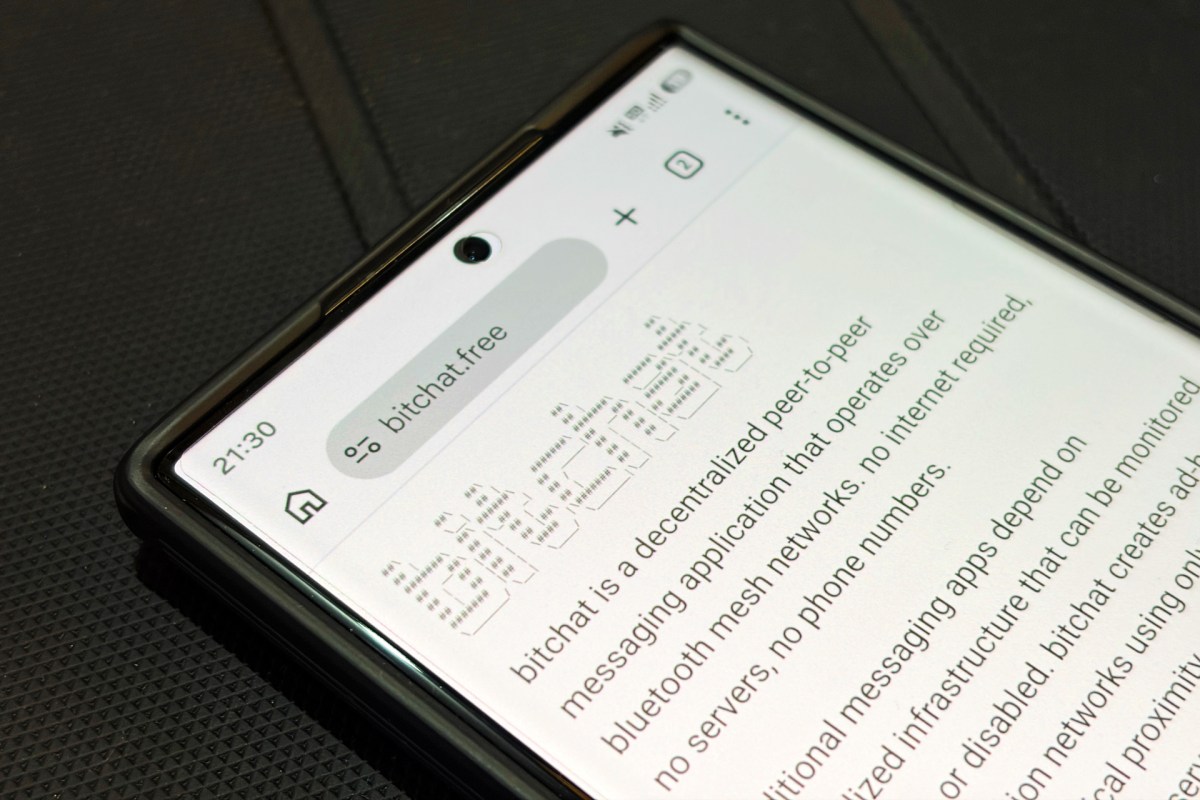
Jack Dorsey’s offline messaging platform Bitchat has become a surprise hit in India, especially among demonstrators in New Delhi who have faced intermittent internet blackouts. Because the app lets users exchange messages without a live data connection, it quickly turned into a lifeline for activists, journalists and ordinary citizens trying to coordinate protests while the government imposed network restrictions.
In response, Indian authorities announced a series of measures aimed at curbing the service. Citing national‑security concerns, officials argued that Bitchat’s architecture bypasses traditional monitoring tools and that user data is stored on foreign servers, violating India’s data‑localisation mandates. The Ministry of Electronics and Information Technology issued an order that temporarily halted the distribution of the app within the country and demanded that all user data be migrated to Indian‑based data centres.
The announcement ignited a heated debate among legal scholars, civil‑rights groups and technology experts. A coalition of lawyers filed a petition with the Supreme Court, asserting that Bitchat’s offline nature is essential for protecting the constitutional rights to free speech and peaceful assembly, especially during periods of state‑imposed internet shutdowns. They also warned that the localisation requirement conflicts with global data‑protection standards and could stifle innovation among emerging tech startups.
Dorsey, who previously led Twitter, publicly condemned the move as a “step backward for digital liberty.” He emphasized that a blanket ban would not only affect Bitchat but also set a precedent that could deter the development of similar low‑bandwidth communication tools worldwide. The Indian Home Ministry, however, defended its stance, stating that strict data controls are indispensable for counter‑terrorism and maintaining public order.
At present, Bitchat’s legal status in India remains in limbo. Both the government and civil‑society advocates are awaiting a Supreme Court ruling, which is expected to shape the future of digital rights, data sovereignty and the broader ecosystem of offline‑first applications in the country.
Source: TechCrunch
 ETİKETLER
 BENZER İÇERİKLER
 OKUYUCU YORUMLARI
India’s Crackdown on Jack Dorsey’s Bitchat Triggers Legal Controversy









Yorum Yaz