
Sitemize üye olarak beğendiğiniz içerikleri favorilerinize ekleyebilir, kendi ürettiğiniz ya da internet üzerinde beğendiğiniz içerikleri sitemizin ziyaretçilerine içerik gönder seçeneği ile sunabilirsiniz.
Sitemize üye olarak beğendiğiniz içerikleri favorilerinize ekleyebilir, kendi ürettiğiniz ya da internet üzerinde beğendiğiniz içerikleri sitemizin ziyaretçilerine içerik gönder seçeneği ile sunabilirsiniz.
Üyelerimize Özel Tüm Opsiyonlardan Kayıt Olarak Faydalanabilirsiniz
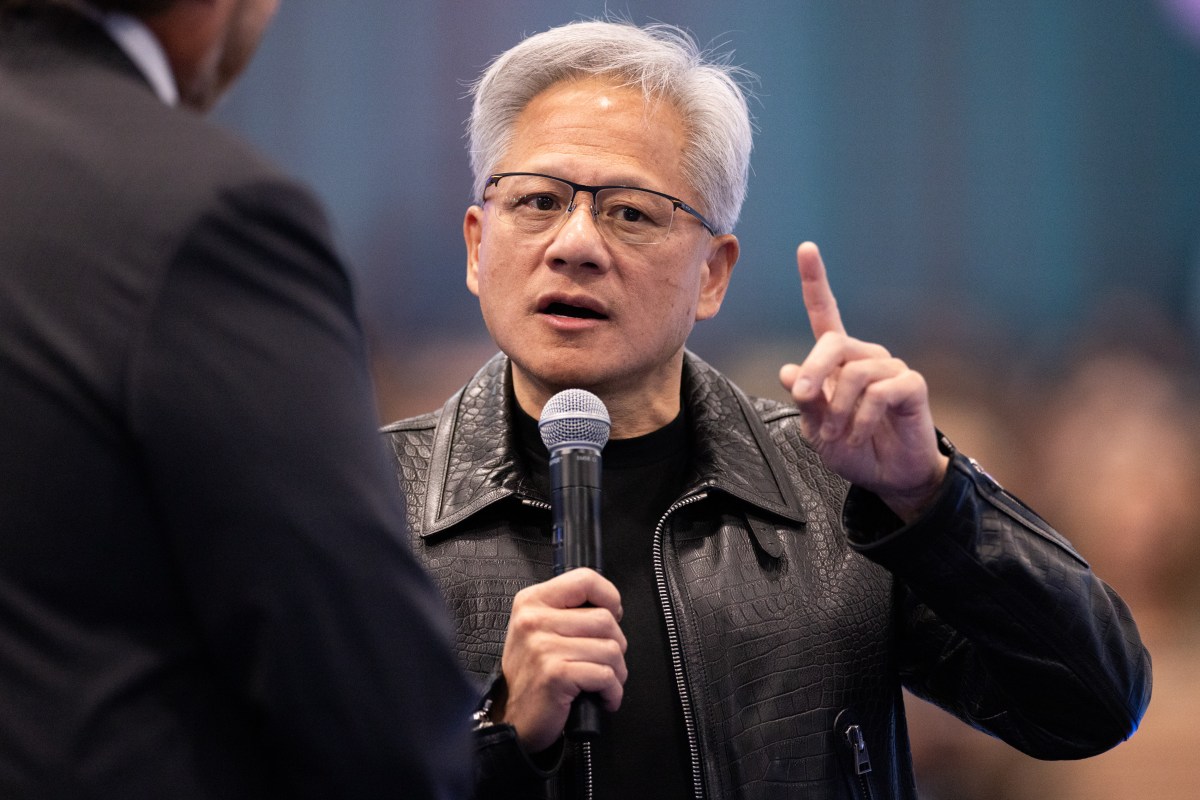
Nvidia co‑founder and CEO Jensen Huang has found himself in the eye of a storm after recent earnings and supply‑chain hiccups sparked a wave of criticism. Analysts warn that the issues confronting Nvidia could do more than dent the chipmaker’s balance sheet; they could destabilise the broader artificial‑intelligence (AI) ecosystem that relies heavily on Nvidia’s GPUs.
For the past decade, Nvidia has been the de‑facto hardware backbone for AI workloads—training massive language models, powering real‑time computer‑vision pipelines, and driving high‑performance computing in data centres. When the company’s latest quarterly results fell short of market expectations, the shockwaves were felt from fledgling AI start‑ups to the world’s largest cloud providers.
The shortfall stemmed from lingering supply‑chain bottlenecks that delayed the rollout of the newest H100 and upcoming Hopper‑based GPUs. At the same time, rivals AMD and Intel accelerated their own AI‑focused silicon roadmaps, threatening to erode Nvidia’s market share. This puts additional pressure on Huang to tighten cost controls while maintaining the rapid innovation cadence that has defined Nvidia’s brand.
Investors are interpreting Nvidia’s wobble not merely as a company‑specific problem but as a signal that AI‑related capital expenditures may need to be re‑evaluated. Some are already diversifying their hardware exposure, looking toward alternative GPU providers or even custom ASIC solutions. Yet Nvidia’s software stack—CUDA, cuDNN, TensorRT and the broader AI ecosystem built around them—creates a high switching cost that still gives the firm a defensive edge.
In practical terms, any prolonged disruption at Nvidia could slow the development of next‑generation AI models, increase cloud‑service pricing, and push research teams to redesign workloads for different architectures. Conversely, a swift resolution—securing chip supply, delivering on promised performance gains, and offering competitive pricing—could restore confidence and keep the AI sector’s growth trajectory on track.
Ultimately, Jensen Huang’s challenges are a litmus test for the AI industry’s resilience. The world will watch closely how Nvidia navigates its production constraints and competitive pressures, because the outcomes will shape both technological progress and global investment flows in AI for years to come.
Source: TechCrunch
 ETİKETLER
 BENZER İÇERİKLER
 OKUYUCU YORUMLARI
How Jensen Huang’s Setbacks Could Ripple Through the AI Industry










Yorum Yaz