
Sitemize üye olarak beğendiğiniz içerikleri favorilerinize ekleyebilir, kendi ürettiğiniz ya da internet üzerinde beğendiğiniz içerikleri sitemizin ziyaretçilerine içerik gönder seçeneği ile sunabilirsiniz.
Sitemize üye olarak beğendiğiniz içerikleri favorilerinize ekleyebilir, kendi ürettiğiniz ya da internet üzerinde beğendiğiniz içerikleri sitemizin ziyaretçilerine içerik gönder seçeneği ile sunabilirsiniz.
Üyelerimize Özel Tüm Opsiyonlardan Kayıt Olarak Faydalanabilirsiniz
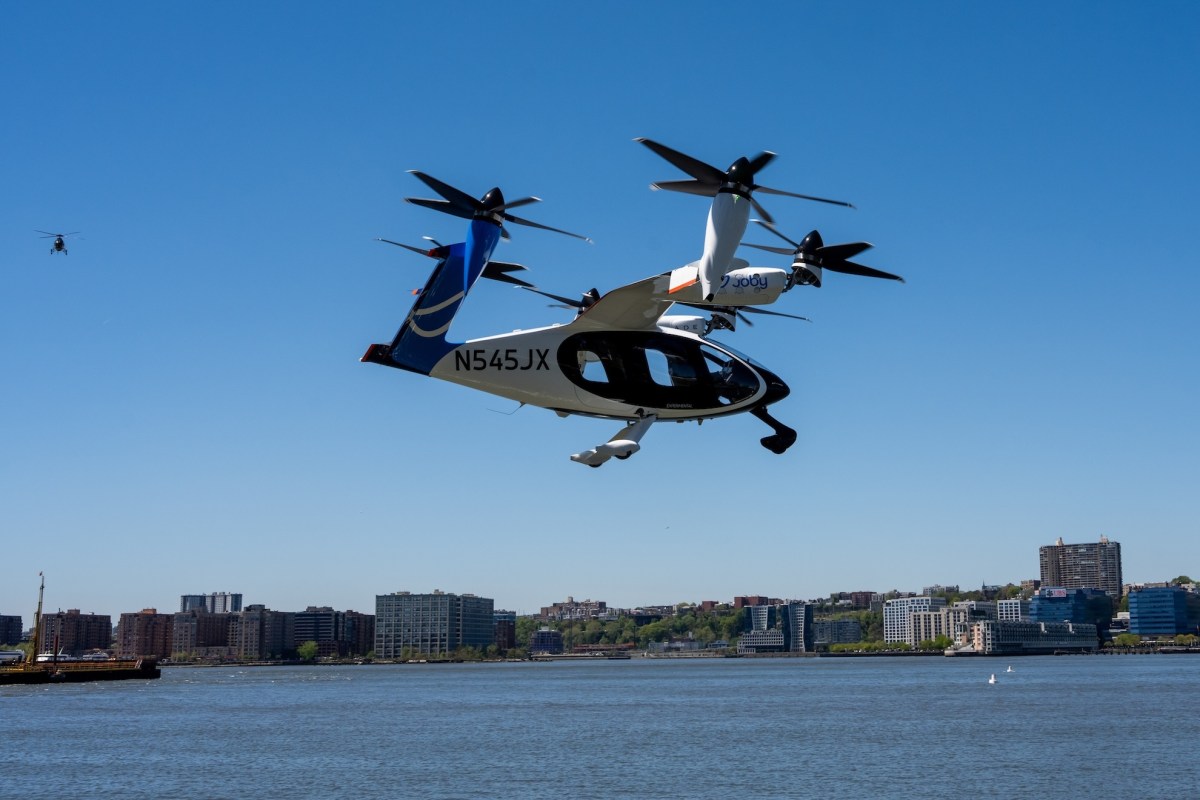
TechCrunch Mobility returns as the go‑to source for the latest developments in tomorrow’s transportation landscape. In recent months, electric vertical take‑off and landing (eVTOL) taxis have moved beyond prototype hype; the focus is now on how their flight paths are being re‑engineered, how regulators are adapting, and where infrastructure investments are headed.
Originally, many municipalities carved out fixed “air corridors” for eVTOLs, typically hugging existing airport approach zones and low‑traffic airspace. With the rollout of advanced Unmanned Traffic Management (UTM) platforms, those corridors are becoming fluid. Planners are mapping routes that reach not only downtown cores but also suburbs and peripheral districts, promising shorter wait times and more pick‑up points for passengers.
Regulatory frameworks are keeping pace. The U.S. Federal Aviation Administration (FAA) and Europe’s EASA have introduced new licensing tiers and safety standards specific to electric air taxis. Key areas include noise limits, emissions‑free operation targets, and rigorous pilot‑training requirements. In response, manufacturers are pushing battery energy density, quieter rotor designs, and autonomous flight‑control algorithms to meet the stricter criteria.
From a market perspective, legacy airlines, ride‑hailing giants, and traditional aerospace firms are forming strategic alliances to build scalable eVTOL networks. Uber Elevate’s restructuring, Airbus’s CityAirbus, Boeing’s NeXt, and regional bus operators experimenting with vertical mobility all point to a rapidly intensifying competitive landscape. Simultaneously, vertiport construction is accelerating—urban rooftops, repurposed parking structures, and dedicated hubs are being equipped with rapid‑charge stations and passenger lounges, with dozens slated for launch within the next five years.
In short, electric air taxis are evolving from a niche technology showcase into a multi‑layered ecosystem that intertwines city planning, policy, and commercial strategy. The newfound flexibility of flight paths expands geographic coverage and drives down per‑trip costs, while the regulatory push ensures safety and public acceptance. As this transformation unfolds, urban commuters can expect a sky‑borne mobility option that reshapes daily travel, offering a faster, quieter, and greener alternative to ground‑based transport.
Source: TechCrunch
 ETİKETLER
 BENZER İÇERİKLER
 OKUYUCU YORUMLARI
Electric Air Taxis: How Flight Paths Are Evolving










Yorum Yaz