
Sitemize üye olarak beğendiğiniz içerikleri favorilerinize ekleyebilir, kendi ürettiğiniz ya da internet üzerinde beğendiğiniz içerikleri sitemizin ziyaretçilerine içerik gönder seçeneği ile sunabilirsiniz.
Sitemize üye olarak beğendiğiniz içerikleri favorilerinize ekleyebilir, kendi ürettiğiniz ya da internet üzerinde beğendiğiniz içerikleri sitemizin ziyaretçilerine içerik gönder seçeneği ile sunabilirsiniz.
Üyelerimize Özel Tüm Opsiyonlardan Kayıt Olarak Faydalanabilirsiniz
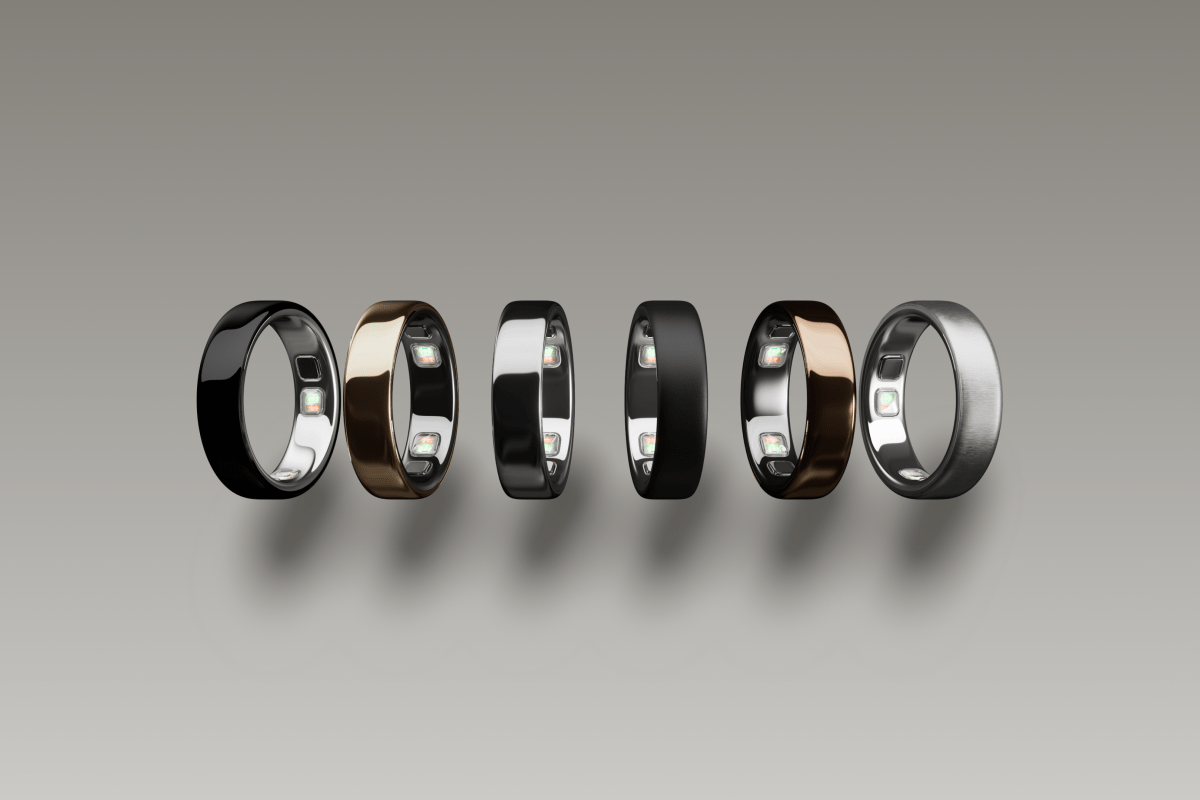
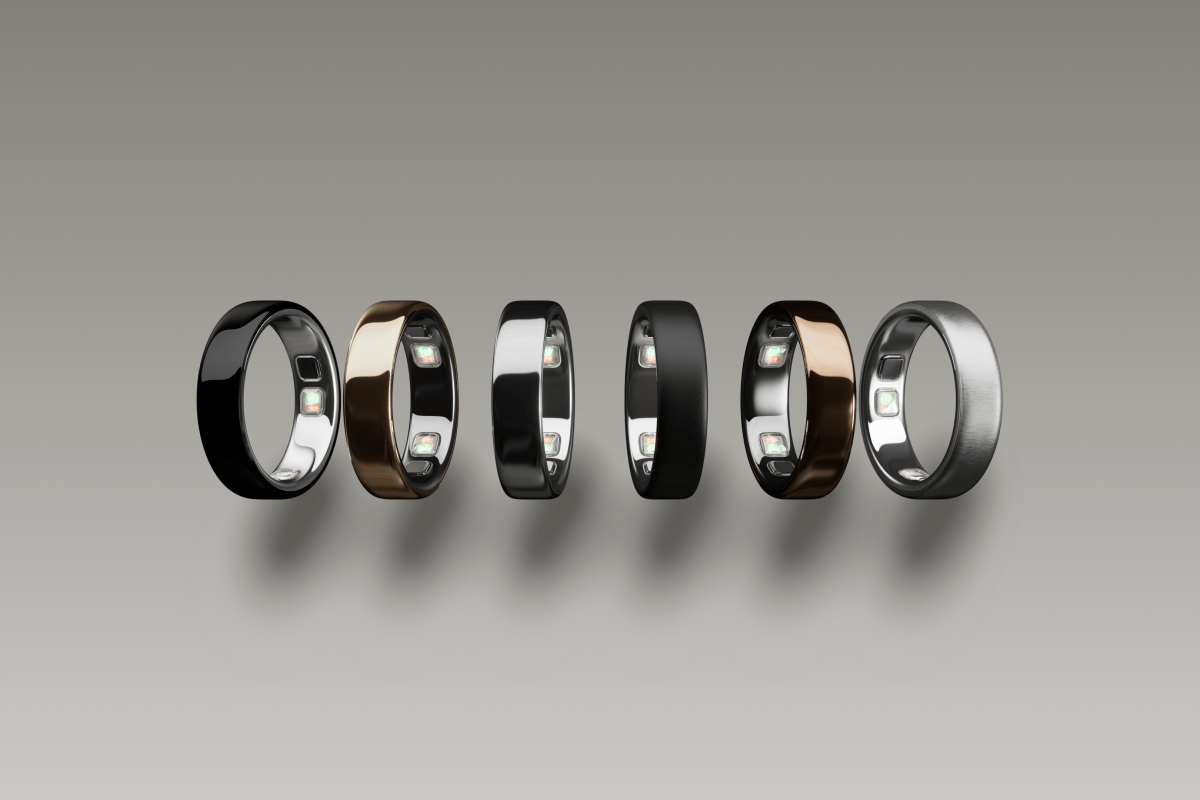
One of the most talked‑about wearables in the health‑tech space, the Oura Ring, is now facing a lawsuit that accuses the company of providing false information about its sleep‑tracking capabilities. A group of U.S. consumers has filed a class‑action suit alleging that the device cannot reliably capture the physiological signals required to evaluate sleep quality or to differentiate between sleep stages.
According to the complaint, the ring’s sensors—intended to monitor heart rate variability, respiration rate, and skin temperature—do not deliver the precision needed for accurate sleep staging. Plaintiffs argue that Oura’s marketing material, which promises “clinical‑grade sleep insights” and “real‑time sleep stage detection,” misleads buyers into purchasing a product that does not perform as advertised.
Oura has responded by denying the allegations, stating that its algorithms are built on peer‑reviewed research and that the device undergoes continuous software updates to improve accuracy. The company emphasizes that the lawsuit is in its early stages and that any legal outcome will be carefully considered before any product changes are made.
Industry analysts point out that wearable sleep technology is still evolving and that variability between devices is common. Measuring sleep—a complex, multi‑system process—poses significant challenges for any single sensor suite. Nonetheless, transparency about a device’s limitations is essential for maintaining consumer trust.
The case could set a precedent for the broader wearables market. If the court finds Oura liable, the company may have to revise its advertising language, adjust pricing, or even offer refunds to affected customers. Such a ruling could also trigger similar lawsuits against other brands that market sleep‑tracking features.
Regardless of the final verdict, the lawsuit underscores the growing demand for scientifically validated health data and the responsibility of tech firms to back their claims with solid evidence. Oura’s ability to navigate this legal hurdle while preserving its reputation for innovation will likely determine its position in the competitive wellness‑tech landscape.
In the meantime, consumers are advised to review product specifications carefully and consider complementary sleep‑tracking methods—such as dedicated sleep labs or validated mobile apps—when seeking a comprehensive picture of their nightly rest.
Source: TechCrunch
 ETİKETLER
 BENZER İÇERİKLER
 OKUYUCU YORUMLARI
Oura Ring Sued Over Alleged Misleading Sleep‑Tracking Claims








Yorum Yaz