
Sitemize üye olarak beğendiğiniz içerikleri favorilerinize ekleyebilir, kendi ürettiğiniz ya da internet üzerinde beğendiğiniz içerikleri sitemizin ziyaretçilerine içerik gönder seçeneği ile sunabilirsiniz.
Sitemize üye olarak beğendiğiniz içerikleri favorilerinize ekleyebilir, kendi ürettiğiniz ya da internet üzerinde beğendiğiniz içerikleri sitemizin ziyaretçilerine içerik gönder seçeneği ile sunabilirsiniz.
Üyelerimize Özel Tüm Opsiyonlardan Kayıt Olarak Faydalanabilirsiniz
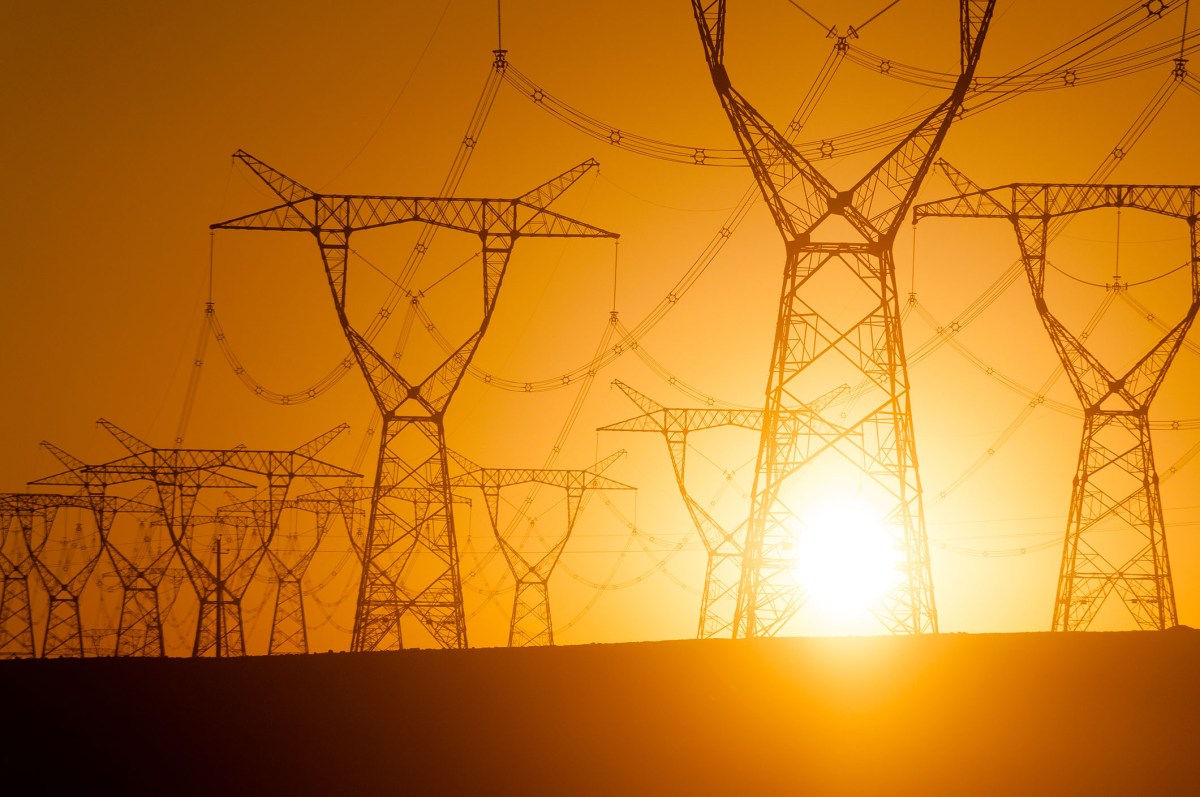
U.S. grid operators are preparing to impose short‑term power reductions on data centers as a safeguard against potential blackouts on the country’s largest transmission network. The move comes amid a surge in data‑center construction, which is outpacing the ability of traditional power plants to keep up with demand.
Modern data facilities host cloud platforms, AI workloads, and massive analytics pipelines, all of which consume vast amounts of electricity. While utilities are accelerating the rollout of new generation capacity, the permitting process, environmental reviews, and the sheer time required to bring new plants online mean that supply cannot instantly match the rapid growth of these high‑density sites.
To avoid a scenario where the grid collapses under sudden overload, operators are planning controlled, time‑bound curtailments for the most power‑hungry facilities. In practice, this would require data‑center operators to schedule load‑shedding periods, rely more heavily on on‑site backup generators, and invest in energy‑efficiency measures that can reduce consumption during peak hours.
Industry analysts argue that such temporary cuts are a pragmatic stop‑gap, buying time for the broader energy ecosystem to transition toward cleaner, more flexible resources such as advanced renewables and battery storage. They also stress that the data‑center sector must adopt a more proactive stance on power management, integrating demand‑response programs and improving cooling efficiency.
By implementing these short‑term constraints, grid managers aim to maintain overall system stability while encouraging long‑term investments in sustainable power solutions. The approach seeks to balance the relentless expansion of digital infrastructure with the need to keep the lights on for millions of American homes and businesses.
Source: TechCrunch
 ETİKETLER
 BENZER İÇERİKLER
 OKUYUCU YORUMLARI
Temporary Power Limits May Be Imposed on US Data Centers to Avert Grid Blackouts








Yorum Yaz