
Sitemize üye olarak beğendiğiniz içerikleri favorilerinize ekleyebilir, kendi ürettiğiniz ya da internet üzerinde beğendiğiniz içerikleri sitemizin ziyaretçilerine içerik gönder seçeneği ile sunabilirsiniz.
Sitemize üye olarak beğendiğiniz içerikleri favorilerinize ekleyebilir, kendi ürettiğiniz ya da internet üzerinde beğendiğiniz içerikleri sitemizin ziyaretçilerine içerik gönder seçeneği ile sunabilirsiniz.
Üyelerimize Özel Tüm Opsiyonlardan Kayıt Olarak Faydalanabilirsiniz
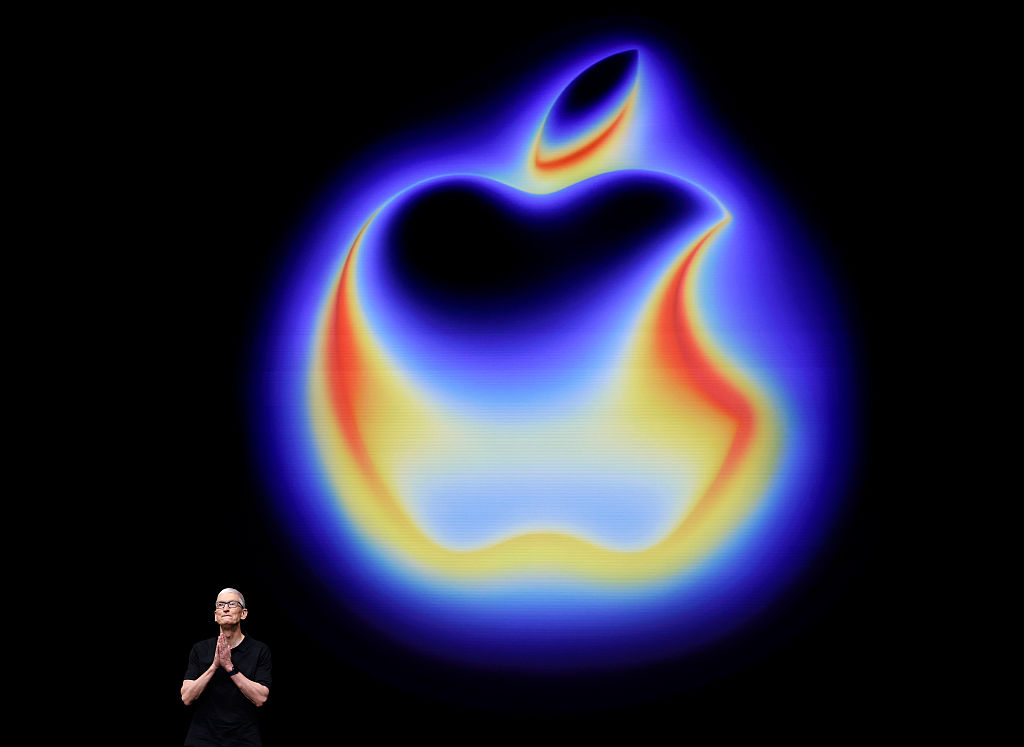
Apple is gearing up to unveil its first consumer‑focused smart glasses, a move that could reshape the augmented‑reality market. While the device promises sleek design, seamless integration with the Apple ecosystem, and new ways to interact with digital content, it also brings a familiar set of privacy worries. Cameras, microphones, eye‑tracking sensors, and constant connectivity mean that the glasses could capture a wealth of personal and environmental data, sparking fears of unintended surveillance.
Historically, Apple has positioned itself as a privacy‑first brand, emphasizing on‑device processing, end‑to‑end encryption, and transparent consent flows. Yet, smart glasses push those principles into uncharted territory. The hardware can record video or audio without a clear visual cue, and eye‑tracking data can reveal a user’s focus, emotions, and even health metrics. To mitigate these risks, Apple is reportedly exploring hardware‑level safeguards such as a physical shutter that blocks the camera when not in use and a dedicated mute button that disables the microphone instantly.
On the software side, the company is likely to enforce strict API permissions, ensuring that only apps with explicit user approval can access sensors. Data captured by the glasses would be processed locally whenever possible, with any cloud transmission encrypted and anonymized. A small LED indicator could light up whenever recording is active, offering a visual reassurance to bystanders.
Regulatory pressure adds another layer of complexity. The European Union’s GDPR and emerging U.S. state privacy laws demand clear data‑handling policies and give users the right to delete collected information. Apple’s approach may involve providing developers with transparent data‑usage dashboards and offering users granular controls to toggle individual sensors on or off.
If Apple can strike the right balance between immersive functionality and robust privacy protections, its smart glasses could set a new industry benchmark. Failure to address these concerns, however, could relegate the product to a novelty that consumers are reluctant to wear. The coming months will reveal whether Apple’s privacy‑centric design philosophy can translate into a practical, trustworthy AR experience.
Source: TechCrunch
 ETİKETLER
 BENZER İÇERİKLER
 OKUYUCU YORUMLARI
Can Apple Build Smart Glasses Without Turning Privacy Into a Threat?









Yorum Yaz