
Sitemize üye olarak beğendiğiniz içerikleri favorilerinize ekleyebilir, kendi ürettiğiniz ya da internet üzerinde beğendiğiniz içerikleri sitemizin ziyaretçilerine içerik gönder seçeneği ile sunabilirsiniz.
Sitemize üye olarak beğendiğiniz içerikleri favorilerinize ekleyebilir, kendi ürettiğiniz ya da internet üzerinde beğendiğiniz içerikleri sitemizin ziyaretçilerine içerik gönder seçeneği ile sunabilirsiniz.
Üyelerimize Özel Tüm Opsiyonlardan Kayıt Olarak Faydalanabilirsiniz
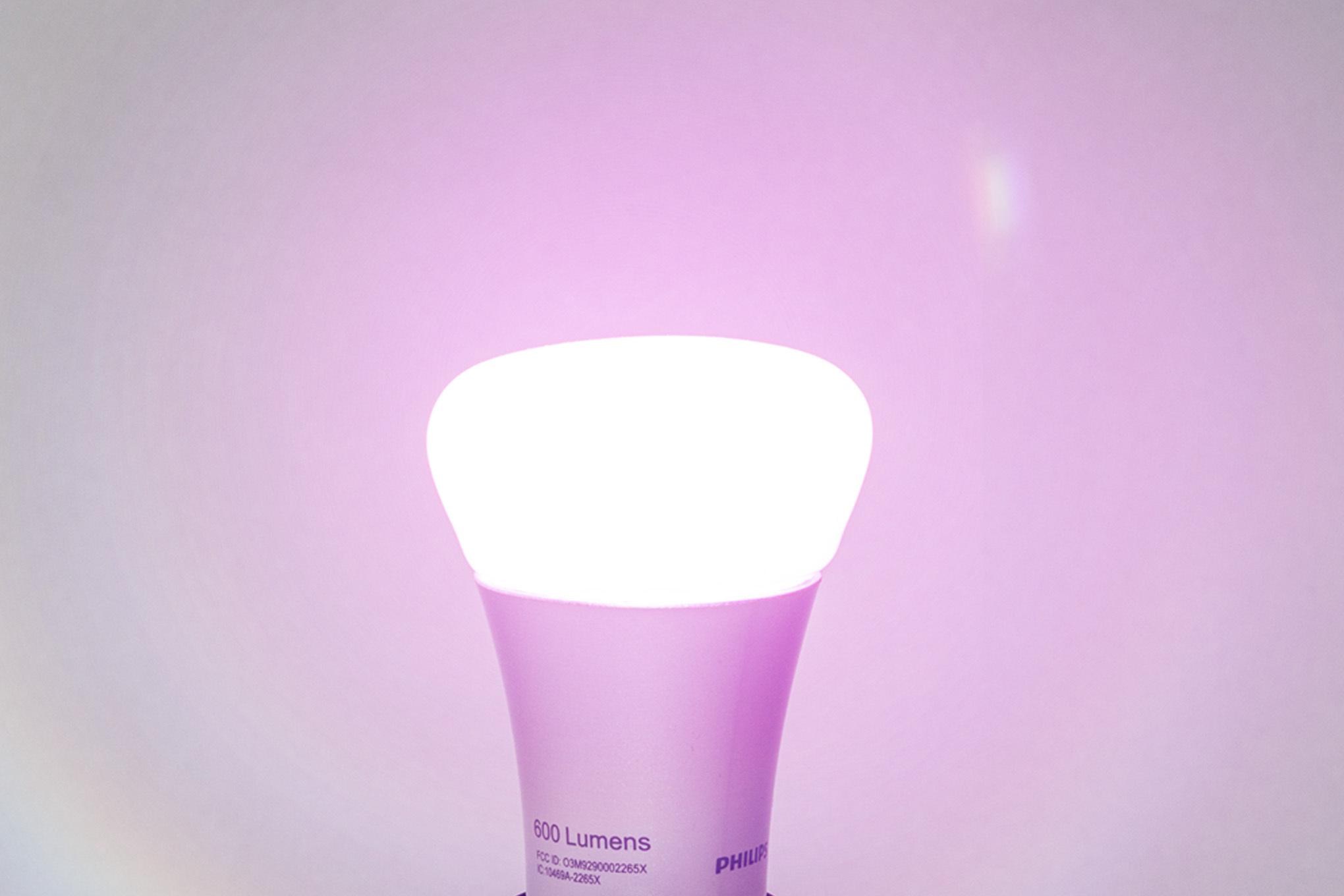
Smart‑home platforms often fall short of what users intuitively expect: control from any location, environments that react to mood, and set‑up that doesn’t require a renovation. Philips Hue tackled these gaps by turning lighting into the backbone of a truly invisible smart home.
The core principle behind Hue is “invisible intelligence.” Rather than relying solely on Wi‑Fi, Hue pairs a local Zigbee mesh with a cloud‑based service, delivering low‑latency, reliable communication that works even when the internet is down. Users can toggle lights via a mobile app, wall switches, voice assistants, or any compatible hub without worrying about network congestion.
Hue’s evolution also focused on simplifying automation. The app offers ready‑made scenes—”Sunrise Wake‑Up,” “Relaxing Evening,” “Party Pulse”—that adjust color temperature, brightness, and timing with a single tap. These scenes can be linked to motion sensors, weather data, or calendar events, allowing the home to adapt in real time to the occupants’ activities and feelings.
Installation was made frictionless. A small bridge plugs into a router, and any standard bulb can be swapped for a Hue LED. No extra wiring or drywall work is needed, which removes the biggest barrier for mainstream adoption. The bridge handles device provisioning, firmware updates, and secure communication, keeping the user experience smooth and reliable.
By solving the three biggest pain points—complex setup, poor cross‑device integration, and clunky user interfaces—Philips Hue has set a benchmark for the industry. Lighting is no longer just illumination; it’s an interactive layer that influences mood, productivity, and energy use. Other smart‑home makers are now looking at Hue’s model as a blueprint for building ecosystems that feel natural, responsive, and almost invisible to the end user.
Source: The Verge
 ETİKETLER
 BENZER İÇERİKLER
 OKUYUCU YORUMLARI
How Philips Hue Nailed the Smart‑Home Experience





Yorum Yaz