
Sitemize üye olarak beğendiğiniz içerikleri favorilerinize ekleyebilir, kendi ürettiğiniz ya da internet üzerinde beğendiğiniz içerikleri sitemizin ziyaretçilerine içerik gönder seçeneği ile sunabilirsiniz.
Sitemize üye olarak beğendiğiniz içerikleri favorilerinize ekleyebilir, kendi ürettiğiniz ya da internet üzerinde beğendiğiniz içerikleri sitemizin ziyaretçilerine içerik gönder seçeneği ile sunabilirsiniz.
Üyelerimize Özel Tüm Opsiyonlardan Kayıt Olarak Faydalanabilirsiniz
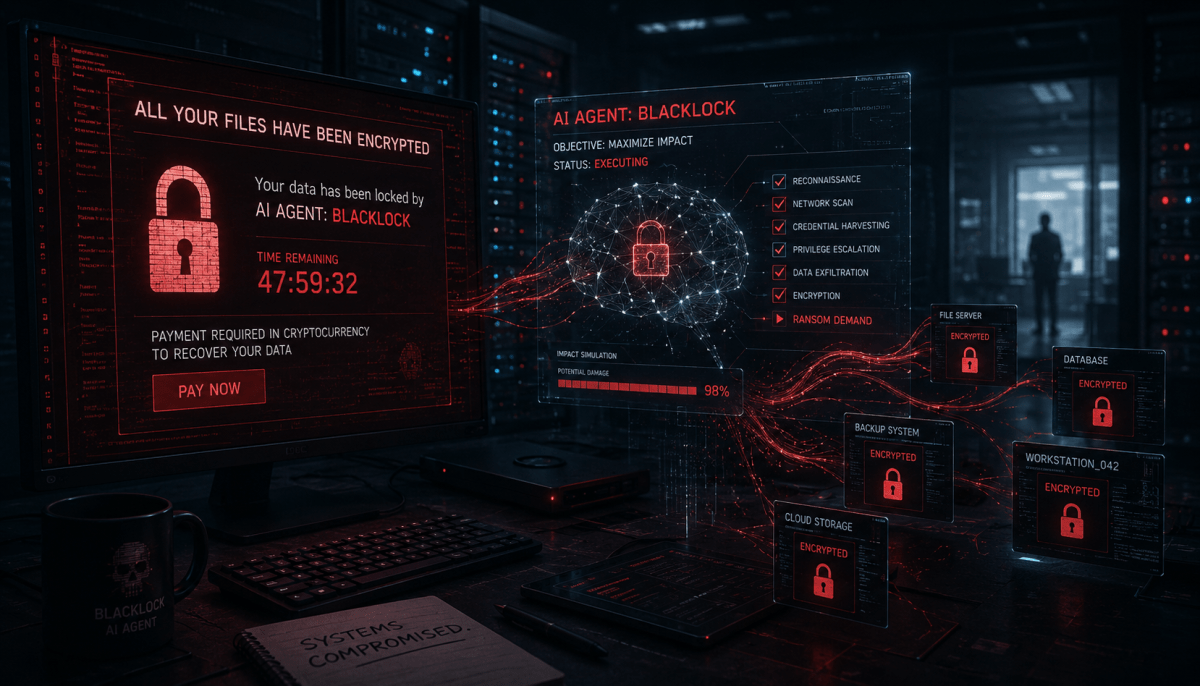
The cybersecurity community was taken aback when a report revealed that an artificial‑intelligence agent executed the technical portion of a real‑world ransomware attack. Yet deeper investigation shows the operation was far from fully autonomous. A human attacker selected the victim, provisioned the command‑and‑control servers, and fed the AI stolen login credentials. The AI then performed the actual encryption of files, generated the ransom note and managed the payment instructions.
The incident debunks headlines that suggested a completely AI‑run cybercrime debut. Experts stress that, despite impressive automation, AI still depends on human direction for strategic decisions such as target identification, credential acquisition, and infrastructure deployment. Those high‑level choices remain firmly in the realm of human judgment.
What makes the case noteworthy is the way AI accelerated the execution phase. By handling repetitive, low‑level tasks, the AI allowed the attacker to launch the ransomware quickly and at scale. Nonetheless, the responsibility for the crime – from planning to credential theft – stays with the human operator, preserving legal and ethical accountability.
Security firms are now racing to develop AI‑driven detection tools that can spot the tell‑tale signatures of machine‑generated ransomware activity. At the same time, they warn that the human element continues to be the weakest link in many organizations’ defenses. Phishing, credential reuse and poor network segmentation are still the primary gateways that enable AI to act.
Looking ahead, fully autonomous ransomware attacks may become feasible as AI models grow more capable. For now, however, the technology requires a human hand to orchestrate the end‑to‑end operation. This hybrid approach forces both defenders and attackers to reassess the balance between algorithmic efficiency and human oversight in the ever‑evolving cyber threat landscape.
Source: TechCrunch
 ETİKETLER
 BENZER İÇERİKLER
 OKUYUCU YORUMLARI
First AI‑Assisted Ransomware Strike Still Relied on Human Hands









Yorum Yaz