
Sitemize üye olarak beğendiğiniz içerikleri favorilerinize ekleyebilir, kendi ürettiğiniz ya da internet üzerinde beğendiğiniz içerikleri sitemizin ziyaretçilerine içerik gönder seçeneği ile sunabilirsiniz.
Sitemize üye olarak beğendiğiniz içerikleri favorilerinize ekleyebilir, kendi ürettiğiniz ya da internet üzerinde beğendiğiniz içerikleri sitemizin ziyaretçilerine içerik gönder seçeneği ile sunabilirsiniz.
Üyelerimize Özel Tüm Opsiyonlardan Kayıt Olarak Faydalanabilirsiniz
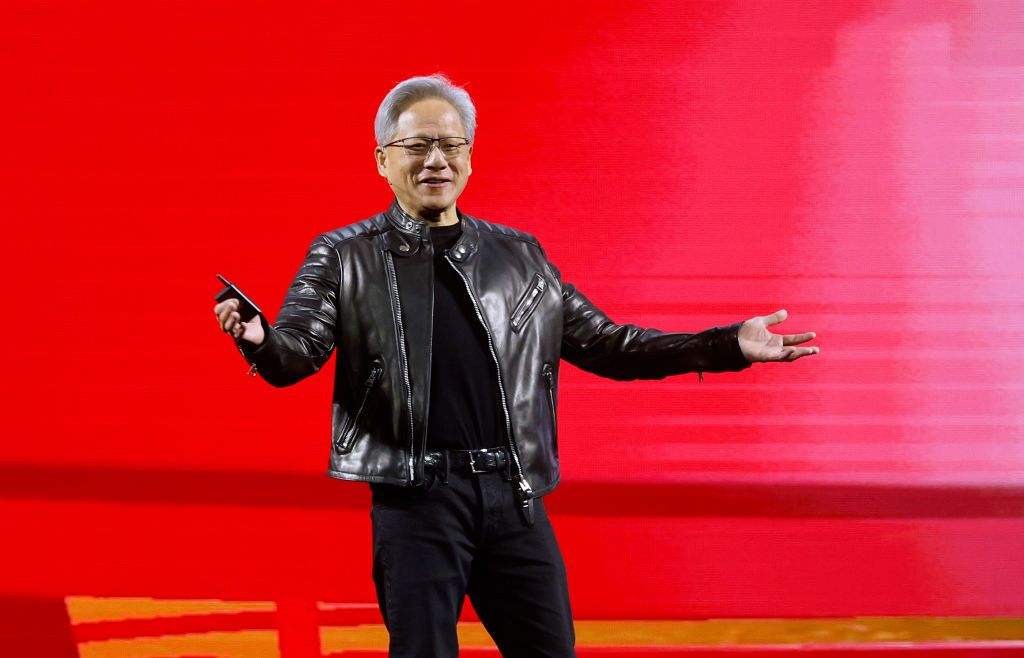
Nvidia co‑founder and CEO Jensen Huang has become the center of a rapidly unfolding controversy after allegations surfaced that he maintained a covert relationship with a Chinese intelligence operative. The story has amplified existing worries about the security implications of the United States‑China artificial‑intelligence (AI) arms race.
**March 2026 – First Accusations**
TechCrunch and several independent outlets reported that Huang was frequently meeting with a Chinese academic who allegedly worked for Beijing’s intelligence services. The reports suggested that confidential Nvidia data may have been shared during discussions about a joint AI research project.
**May 2026 – Official Probe Launched**
The U.S. National Security Agency (NSA) announced a preliminary review of Nvidia’s AI chip designs, citing possible espionage risks. In a parallel move, Chinese authorities disclosed that they were opening a parallel investigation into Huang for “endangering national security.”
**July 2026 – Leaked Documents**
A cache of internal emails and messaging logs, allegedly obtained by both sides’ intelligence agencies, was released to the public. The documents show Huang exchanging technical details on algorithm optimization with a Chinese consultant, directly tied to performance enhancements slated for Nvidia’s next‑generation GPU line.
**September 2026 – Corporate Response**
Nvidia issued a formal statement asserting that “Jensen Huang fully complies with all company policies and the allegations are unfounded.” The company also emphasized that its AI development pipeline is subject to independent audits and strict data‑access controls.
**November 2026 – Legislative Fallout**
The U.S. House of Representatives convened an emergency hearing of the “Technology and National Security” committee to examine foreign influence on AI hardware. Simultaneously, Chinese lawmakers announced a similar legislative push to tighten oversight of foreign‑linked research.
These events illustrate that AI infrastructure is no longer a purely technological competition; it is a strategic asset with direct implications for national defense. While the personal scandal surrounding Jensen Huang adds a human dimension to the debate, it also underscores the growing demand for tighter corporate governance, transparent supply chains, and robust counter‑espionage measures. Analysts predict that both Washington and Beijing will introduce new AI‑specific regulations within the next few months, aiming to curb potential security breaches while still fostering rapid innovation.
Source: TechCrunch
 ETİKETLER
 BENZER İÇERİKLER
 OKUYUCU YORUMLARI
Jensen Huang Scandal Timeline: Security Risks Amid the US‑China AI Race







Yorum Yaz