
Sitemize üye olarak beğendiğiniz içerikleri favorilerinize ekleyebilir, kendi ürettiğiniz ya da internet üzerinde beğendiğiniz içerikleri sitemizin ziyaretçilerine içerik gönder seçeneği ile sunabilirsiniz.
Sitemize üye olarak beğendiğiniz içerikleri favorilerinize ekleyebilir, kendi ürettiğiniz ya da internet üzerinde beğendiğiniz içerikleri sitemizin ziyaretçilerine içerik gönder seçeneği ile sunabilirsiniz.
Üyelerimize Özel Tüm Opsiyonlardan Kayıt Olarak Faydalanabilirsiniz
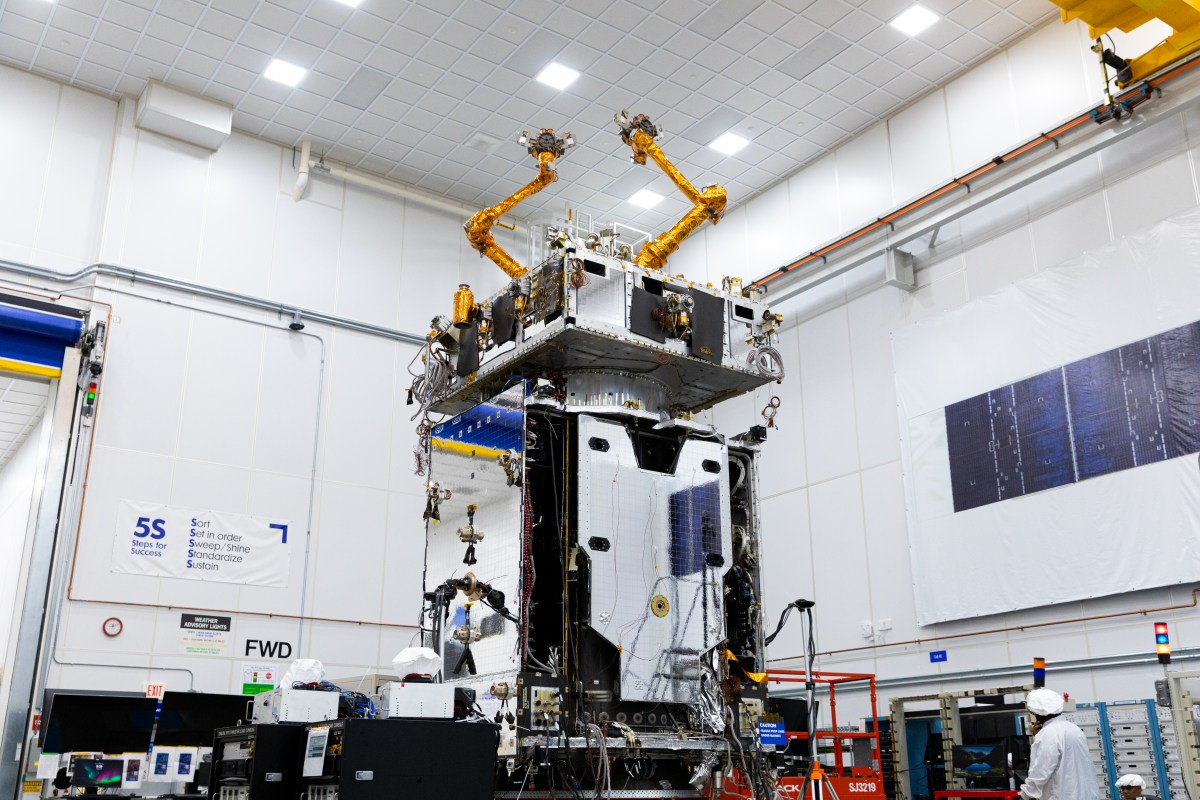
Northrop Grumman has unveiled a robotic system designed to perform on‑orbit repairs, called the Mission Robotic Vehicle (MRV). The craft’s inaugural mission involved latching a brand‑new thruster onto an aging communications satellite, marking the first time a robot has physically attached hardware to a functioning spacecraft in space.
Satellites lose operational capability over time due to fuel depletion, thermal cycling, and mechanical wear. Traditionally, operators replace a failing satellite by launching a fresh replacement, a process that can cost hundreds of millions of dollars and take years to plan. MRV offers a different approach: it flies to the target, surveys its condition with high‑resolution sensors, and uses articulated robotic arms guided by AI‑driven navigation to secure a pre‑loaded thruster module.
The test flight, conducted in August 2026, targeted a 15‑year‑old geostationary communications platform. After a precise rendezvous, the robot positioned the thruster, bolted it into place, and performed a series of diagnostic checks to confirm integration. The satellite’s station‑keeping capability was immediately improved, effectively extending its service life by several years.
Industry analysts view this milestone as a potential game‑changer for both commercial and governmental space operators. Extending the functional lifespan of existing assets reduces launch demand, cuts debris generation, and improves the economics of satellite constellations. The MRV platform is modular, meaning future missions could swap out the thruster payload for other tools—such as solar‑panel cleaners, antenna realigners, or even small‑scale debris‑capture devices.
Northrop plans to demonstrate the robot’s versatility in low‑Earth orbit next year, targeting a cluster of navigation satellites that would benefit from thrust upgrades. If successful, a fleet of such service robots could become a routine part of space infrastructure, enabling on‑demand maintenance, upgrades, and end‑of‑life disposal. The technology promises to make space operations more sustainable, cost‑effective, and resilient as the orbital environment grows ever more crowded.
Source: TechCrunch
 ETİKETLER
 BENZER İÇERİKLER
 OKUYUCU YORUMLARI
Northrop’s Space‑Mechanic Robot Aims to Extend Satellite Lifespans










Yorum Yaz